
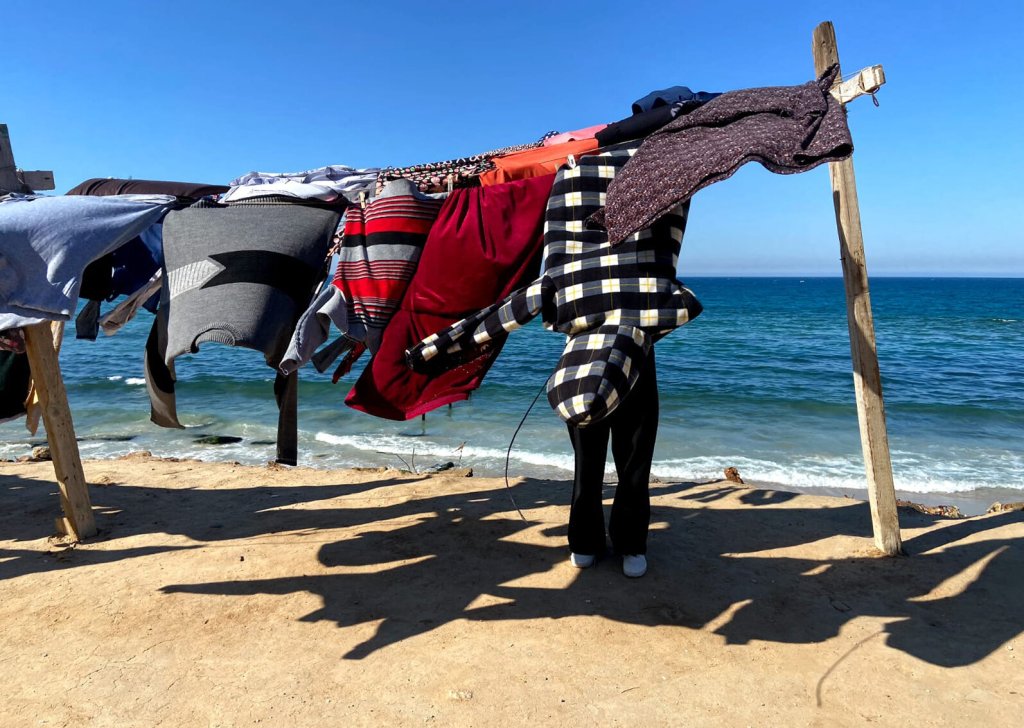
Jehad Jarbou, Untitled
2024
9 x 12.5 cm
3 photographs, 4 printed drawings each Edition of 5
Printed photo or drawing, audio, and printed poem
Minimum donation: 150€
(proceeds transferred to the artist)
A Stranger in the City
My name once carried the weight of effort and struggle—
A form of jihad in the city of war,
As if fate kept pushing me forward in life.
I used to escape the sounds of war between fabrics and frames, between canvases—
Drowning in colors,
With my hands holding paint, and my eyes reshaping the dreams I had.
Art was my beloved.
I lived through four wars.
Each time, I was close to death.
I would take a breath and say,
“Maybe this is the last time.”
Then came the year 2023.
It began joyfully, full of celebrations and happy moments.
But on October 7, 2023,
The war came—
And it was unlike any war before.
It stole away loved ones and friends.
On November 9, 2023, a Thursday,
The painting of life turned to ash and loss—
That was the day my father and older brother were martyred.
They became martyrs.
Another painting, however, carried the colors of survival—
When my mother, my little brother, and I made it out from under the rubble.
Our lives became like scenes from a world war painting.
We left my father and my brother Hassan in the north,
After we buried them.
(My heart is still there.)
Then began our journey of displacement—
From death, to a more distant kind of death.
The map and numbers drawn for us by the Israeli occupation
Shrink the canvas of life each time.
You remain suspended between death and life—
Or perhaps,
You are the next number.
—
غريب في مدينة
كان اسمي يحمل من الاجتهاد والتعب من أجل الحصول على شيء ما
جهاد في مدينة الحرب
كأن القدر يدفعني في الحياة
كنت أهرب من أصوات الحرب، بين الأقمشة وإطارات اللوحات
أغرق بين الألوان
يدي تحمل الألوان وعينيَّ تعيدان تشكيل ما أحلم
أنا والمحبوب بالفن
عشت أربع حروب، كنت في كل مرة أكون قريبة من الموت
آخد نفسًا
وأقول ربما هذه آخر مرة
في يوم من الأيام
جاءت سنة 2023
كنت بداية السنة جميلة، تحمل الأفراح والمناسبات السعيدة
ولكن في 7/10/2023
جاءت الحرب و كانت غير باقي الحروب بالعادة
سرقت منا الأحبة والأصدقاء
في تاريخ 9/11/2023
الموافق يوم الخميس
حملت لوحة الحياة لون الرماد والفقد حينها استشهد أبي وأخي الكبير، أصبحوا شهداء
كانت اللوحة الأخرى تحمل النجاة
حينما خرجت من تحت الركام أنا وأمي وأخي الصغير
لوحات تحمل مشاهد الحروب العالمية
حينما تركنا أبي و أخي حسن في الشمال بعد دفنهما
قلبي هنا
تبدأ رحلة نزوح من الموت إلى الموت الخارجي
كيف تصارع الخريطة والأرقام، يرسمها الاحتلال الإسرائيلي لك
في كل مرة يصغر حجم اللوحة
وتبقى أنت بين الموت والحياة
أو ربما تكون أنت الرقم التالي
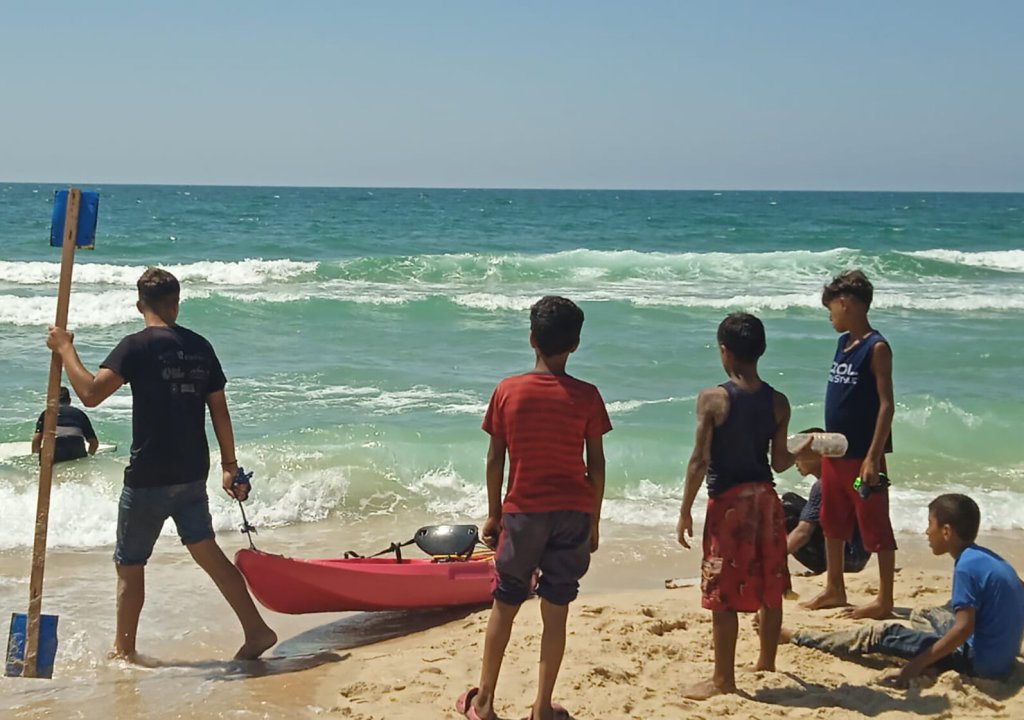
Stillness
When I slept and the day broke, light entered my eyes.
There were strange, incomprehensible sounds in the sky.
Stillness.
I search for the absent love.
The war was raging.
I walk among memories, loss, and rubble.
I walk alone.
It was a dry path carrying cactus flowers.
I take photos of those streets, knowing I will never see them again.
I wander with my shadow.
The light still falls on my head, and my shadow trails behind me.
I am still alive.
Stillness.
—
سكون
عندما نمت وانبلج النهار دخل النور عينيّ. كانت هناك أصوات غريبة في السماء، غير مفهومة.
سكون
أبحث عن الحب الغائب.
كانت الحرب مستعرة.
أسير بين الذكريات، والفقد، والركام.
أسير وحدي.
كان دربًا جافًا يحمل أزهار الصبار.
ألتقط صورًا لتلك الشوارع وأعلم أنني لن أراها مجددًا. أتجول أنا وظلي. لا يزال الضوء يسقط على رأسي وظلي خلفي. ما زلت حيًا.
سكون
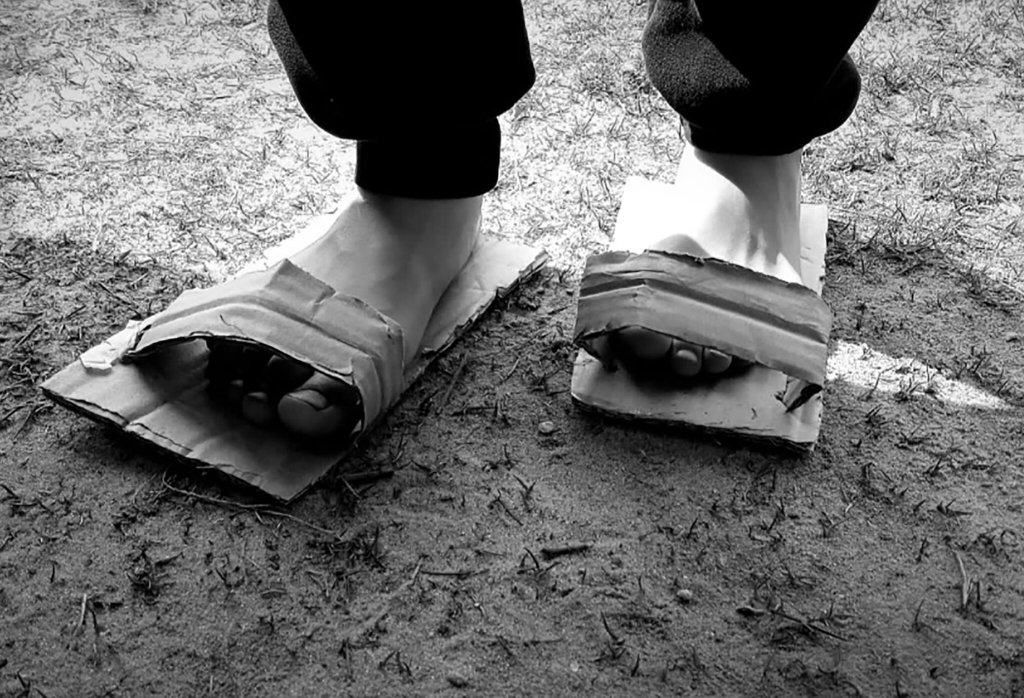
Silence
I see all the letters muted
I cannot gather what to say
except the sound of weeping
Here I am, my dear,
alone among the ashes,
frozen,
I do not feel,
I no longer am.
I left you my words in our home.
I search for you among everyone,
I no longer recognize our streets.
You left her alone to face the ruin.
Blood now adorns the streets.
—
الصمت
أرى جميع الحروف صامتة
لا أستطيع تجميع ما أقول
سوى صوت البكاء
هنا أنا يا عزيزي
وحيدة بين الرماد
مجمدة
لا أشعر
لم أعد
تركت لك كلماتي في منزلنا
أفتش عنك بين الجميع
لم أعرف شوارعنا
تركتها وحدها تواجه الدمار
أصبح الدم يزين الشوارع
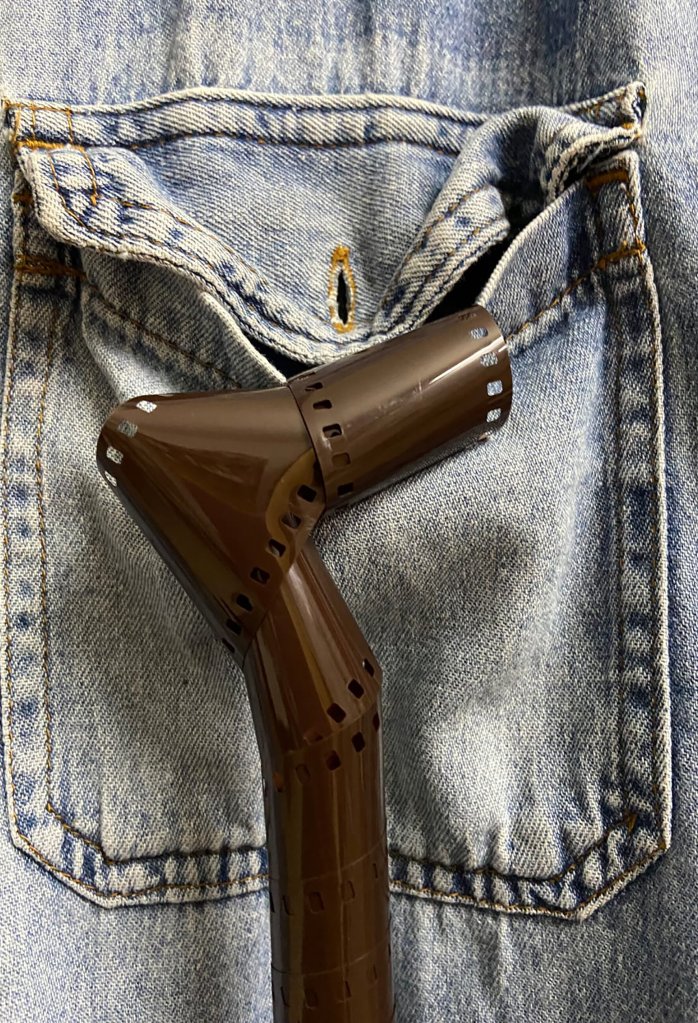
I carry my body
The memories of my ancestors
I carry on my back the wall of my home
I do not carry the future
I do not know what will happen next
I have stopped now at the right moment
I only remember my first steps
The prints of my feet on the ground
I stand lost
Searching for you
—
أحمل جسدي
ذكريات أجدادي
أحمل على ظهري جدار منزلي
أنا لا أحمل المستقبل
لا أعرف ماذا سيحدث بعد ذلك
لقد توقفت الآن في الوقت المناسب
أتذكر فقط خطواتي الأولى
بصمت
قدمي على الأرض
أقف ضائعة
أبحث عنك
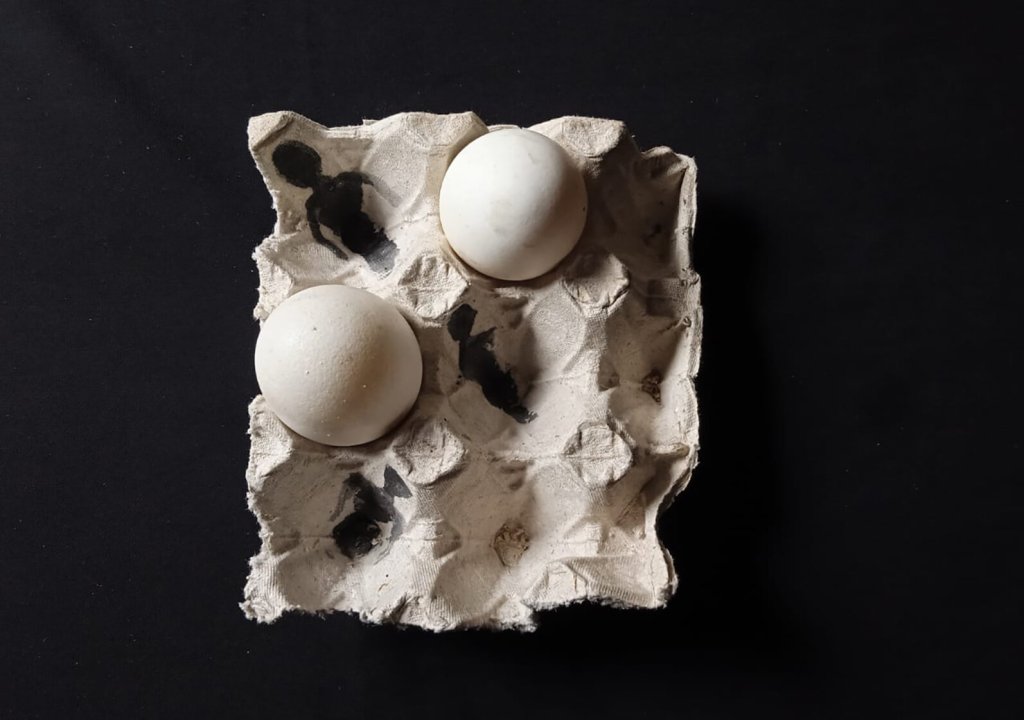
The Sky and Fingers
When you begin to wrap a piece of thread around your fingers,
It reveals the direction of the wind.
Where are you?
Words begin to soar with the breeze, rising into the sky.
You speak to those who cannot hear,
Who cannot read,
Who cannot see.
You are speaking to yourself.
You start scattering words among the clouds:
To my father,
To my brother Hassan,
To all the friends in heaven.
And we are still suspended between sky and earth.
The sound of the airplane still terrifies me.
I’m still disturbed by the war.
I’m still afraid.
Eight months have passed,
And I still haven’t found myself in it.
—
السماء والأصابع
عندما تبدأ في لف جزء من الخيط بين أصابعك
فهو يحدد اتجاه الهواء. أين أنت؟
تبدأ الكلمات بالتحليق مع الهواء وترتفع إلى السماء
أنت تتكلم مع من لا يسمع
ومن لا يقرأ
ومن لا يرى
أنت تتحدث مع نفسك
تبدأ في نثر الكلمات بين الغيوم
إلى والدي
إلى أخي حسن
إلى كل الأصدقاء في الجنة
ما زلنا عالقين بين السماء والأرض
ولا يزال صوت الطائرة يرعبني
ما زلت منزعجة من الحرب
ما زلت خائفة
لقد مرت ثمانية أشهر
ولم أجد نفسي فيها
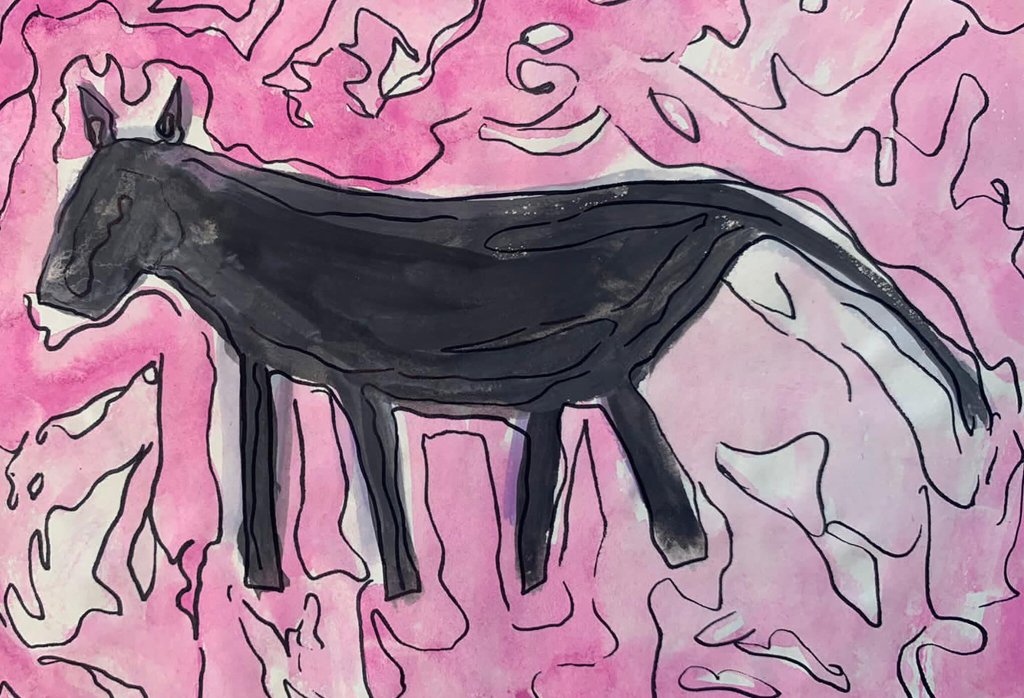
Transportation:
How transportation changed during the war in Gaza
While the rest of the world reaches places by planes, cars, and ships,
We transport the martyrs and the wounded using a karra and a donkey—
A cart pulled by a donkey or a horse.
You could be standing, bleeding for hours,
Your blood trailing from your body all the way down the street,
Waiting for the karra to arrive
To take you to a healthcare center—
A substitute for an ambulance.
By the time it gets to you,
Your life may already be over.
What is the speed of that cart worth?
In Gaza, the law of speed is the opposite of Newton’s law.
Our blood carries no weight in the world’s response.
—
وسائل النقل
كيف تحولت في الحرب وسائل النقل في غزة
بينما العالم يصل إلى أي مكان بالطائرات والسيارات والمراكب
نحن ننقل الشهداء والجرحى عن طريق الكارة والحمار، عربة يقوم بجرها حمار أو حصان
أن تقف لتنزف لساعات طويلة، ليمتد دمك من جسدك إلى نهاية الشارع، بعد أن تصل الكارة لكي تنقلك إلى مراكز الرعاية الصحية بدلًا من سيارت الإسعاف
تكون حياتك قد انتهت بموتك
كم سرعة تلك الكارة؟
قانون السرعة في غزة معاكس لقانون نيوتن
دمائنا لا تساوي أي رد فعل في العالم
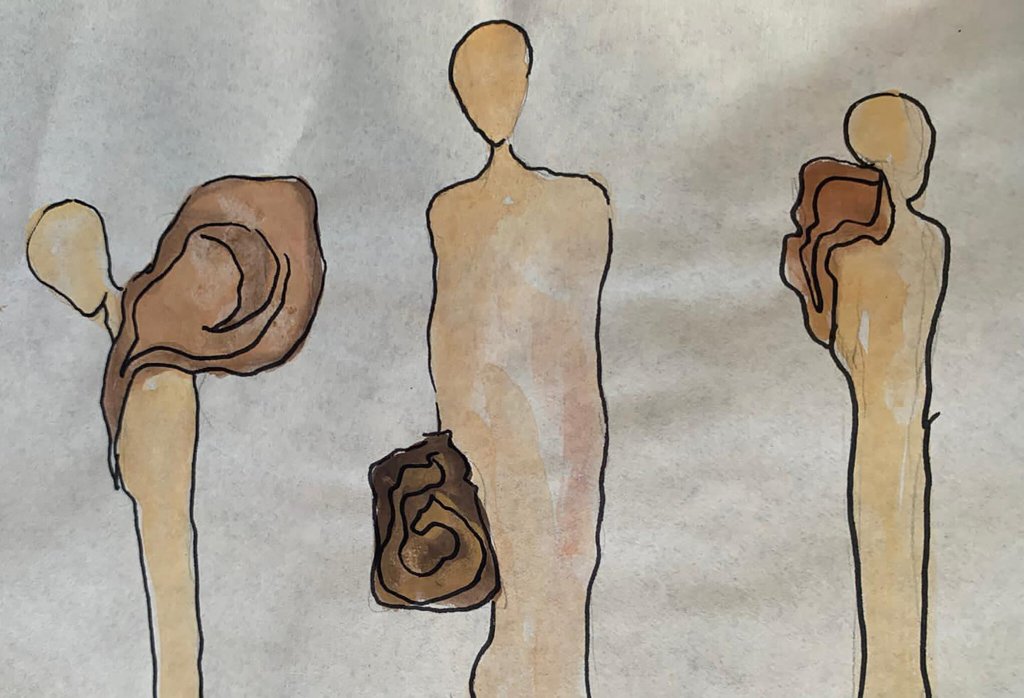
Aftermath
This is what consumes my thoughts now.
After two years of war,
which is still ongoing,
I take a breath and close my eyes, hoping I might see my father.
To tell him about Adam — the one I gave birth to during the war.
A child who doesn’t understand what’s happening around him,
but feels that something is not right.
Why are there so few trees? Why is there a black cloud of smoke? Why does the ground tremble?
We ask questions and find no answers.
How can he learn to walk in a city whose soil is red with people’s blood,
and the rubble of collapsed homes?
My husband, Atef, and I compete
to teach Adam to pronounce words.
Will he say “baba” first or “mama”?
The sound of drones infiltrates all our conversations.
The House
At the moment I left the house, I was in a rush.
Had I known it would be my last meeting with it,
I would have embraced the walls,
carved my name,
asked, “Where are my father’s footsteps?”
I can no longer hear their sound.
I left everything in the house—
I don’t even know when I’ll return.
An Empty Pot
We all sit together,
saying that after two years of famine,
we have forgotten the taste of chicken and meat.
How would they taste now? Would they feel different to us,
just as the world has changed toward us?
The occupier drinks wine from our blood
and eats our flesh.
Dishes carry false names.
I want food.
My child — I cannot find milk for him.
We face the weapon of starvation.
How can I tell my child, who longs for something to eat,
that we are in famine?
How do we even divide that word?
I am tired of death.
—
ما بعد
هذا هو ما يأكل تفكيري الآن
بعد عامين في الحرب
التي لا تزال مستمرة
آخذ نفسًا وأغمض عينيَّ لعلني أستطيع رؤية أبي
أخبره عن آدم، ذلك الذي ولدته في الحرب
طفل لا يعرف ما يجري من حوله
لكنه يحس أن هناك شيئًا غير طبيعي
لماذا الشجر قليل؟
لماذا خلف السحابة ضبابة سوداء؟
لماذا تهتز الأرض؟
أضع الأسئلة ولا أجد لها أي إجابة
كيف له أن يمشي في مدينة لون ترابها أحمر من دماء الناس
وركام المنازل المنهارة
نتسابق أنا و زوجي عاطف
على تعليم آدم نطق الكلمات
هل سيقول بابا أم ماما؟
صوت الزنانة دخيل على كل أحاديثنا
البيت
في اللحظة التي تركت فيها البيت كنت متسرعة، لو أعلم أنه سيكون اللقاء الأخير لي بالبيت لكنت احتضنت الجدران، لحفرت اسمي.
أين خطوات أبي
لا أجد لها صوتًا
أترك كل شي في البيت حتى
أنني لا أعلم متى سأعود
إناء فارغ
نجلس جميعنا حول بعض
نقول بعد عامين من المجاعة
نحن ننسى طعم الدجاج واللحم
كيف سيكون طعمها
هل تغير علينا كما تغير العالم
أصبحنا طعامًا للاحتلال
يشرب النبيذ من دمائنا
ويأكل لحمنا
أطباق تحمل أسماء مستعارة
أريد الطعام
طفلي لا أجد له الحليب
نحن نواجه سلاح التجويع
كيف يمكن أن يشتهي طفلي شيئًا وأقول له نحن في مجاعة
كيف نقسم الكلمات
لقد تعبنا من الموت
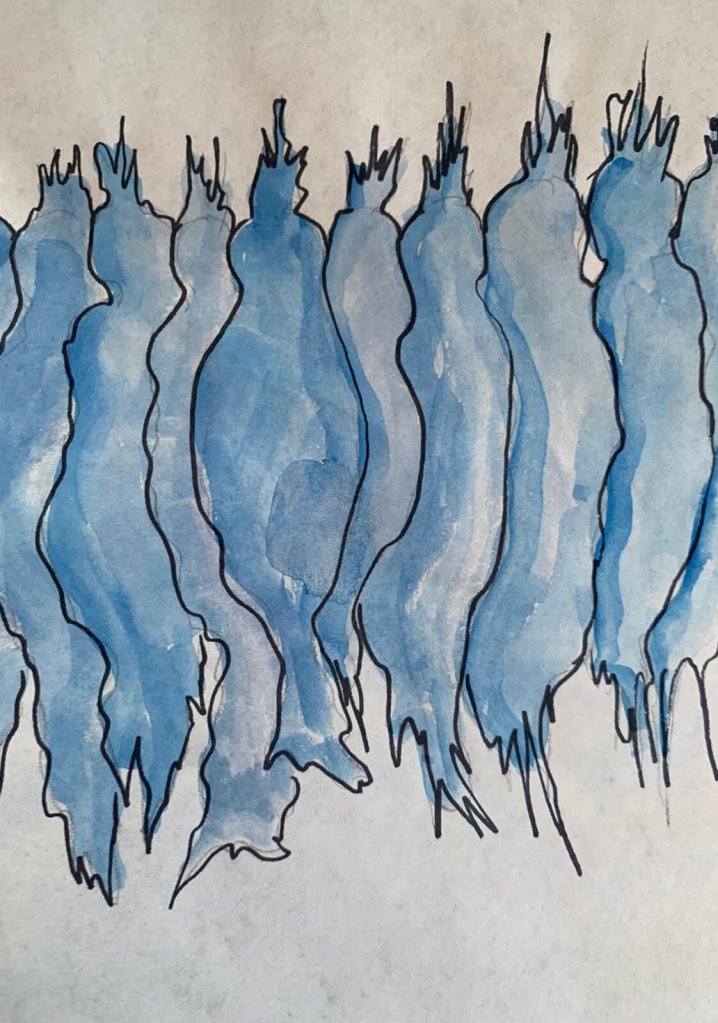
There is a family dreaming of returning home—
Even though the house is completely destroyed and uninhabitable.
The owners begin repairing parts of it,
Even though the structural columns are so weak
That a child playing hopscotch could cause them to collapse.
After many days of resilience during the war,
Despite all odds,
The constant sounds of shaking, missiles, and bombings
Eventually caused the house to collapse
With the family still inside.
They were buried beneath the rubble.
—
هناك عائلة تحلم بالعودة إلى البيت
فعليًا البيت مدمر لا يصلح للسكن
يقوم أصحاب بتصلح أجزاء من البيت على رغم من أن الأعمدة ممكن من لعبة الحجلة أثناء لعب الأطفال أن تسقط
فعليًا بعد مرور عدة أيام بعد صمود كبير في الحرب
عائلة من أصوات الاهتزاز والصواريخ والقصف
سقط المنزل على من فيه وأصبحوا تحت الركام
Term: “Takiyya”
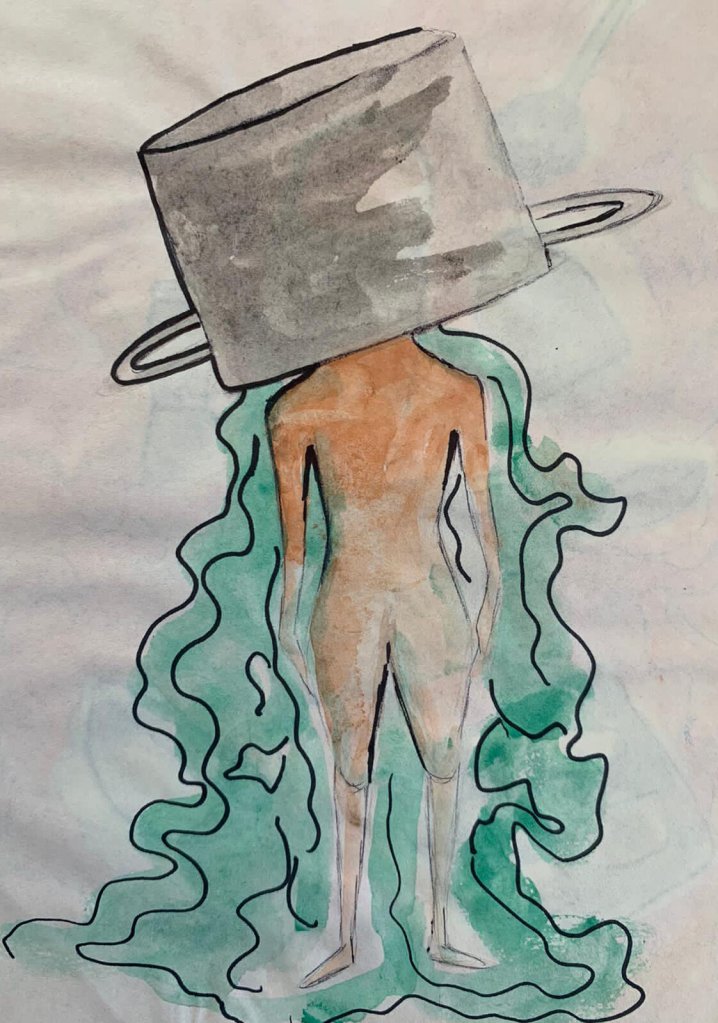
A Takiyya is a place where some individuals cook food for displaced people. Children often stand in a long line, waiting. You might receive only a small portion of food—so little it wouldn’t even satisfy a cat’s hunger. Or, you might return home carrying your empty pot, because by the time your turn comes, the food has run out. You carry your sorrow and hunger inside that pot.
Examples of wartime meals:
Khubayza (wild mallow), macaroni soup, saj (flatbread), peas, white beans, lentils, rice, and tomato sauce with chickpeas.
—
مصطلح: التكية
هي مكان يقوم فيه بعض الأشخاص بصناعة الطعام للنازحين
ويقف الأطفال في طابور طويل، يمكنك أن تحصل على كمية قليلة من الطعام لا تسد جوع قطة، أو تذهب إلى بيتك تحمل طنجرتك فارغة، لأنه عندما أتى دورك انتهى الطعام. تحمل حزنك وجوعك داخل تلك الطنجرة.
من أكلات الحرب: خبيزة ـ شوربة معكرونة ـ الصاج – بازلاء – فاصوليا بيضاء ـ عدس ـ رز ـ صلصة بحبوب من الحمص
 zittoeditions.com